- People
- Expertise
Our expertise
We are a team of more than 600 professionals, with the depth of experience which makes us genuine experts in our fields. Together, gunnercooke’s people have strength across just about every corporate discipline and sector. We provide legal, commercial and strategic advice that delivers real value to the clients we work with, which span from multinational enterprises through to not-for-profit organisations. Our breadth of expertise also covers specialist and emerging disciplines charity, crypto, sports and competition law.
Search by practice areaDispute ResolutionDispute Resolution OverviewMeet the Dispute Resolution TeamIntellectual Property DisputesFinancial Services & FinTech OverviewProceeds of CrimeEmployment TribunalTax InvestigationProperty Dispute ResolutionInsolvency DisputesMediationCivil Fraud & Asset TracingHealth & SafetyBusiness Crime & InvestigationsLitigation & ArbitrationInternational Arbitration - International
International Offices
The gunnercooke group has 16 main global offices across England, Scotland, the US, Germany and Austria, with further plans for growth in the coming years. These offices enhance the existing in-house capability of our dedicated international teams and dual-qualified experts that cover Spain, France, Italy, Portugal, Brazil, China, India, Poland and Hungary. Our team have clients across 126 jurisdictions, speak 46 languages and are dual-qualified in 22 jurisdictions. Our expertise means we can offer large teams to carry out complex cross-border matters for major international clients.
- Our story
Our story
gunnercooke is a top commercial law firm. We comprise a rapidly growing number of experts spanning legal and other disciplines. Clients benefit from flexible options on fees to suit their needs, access to a wider network of senior experts throughout the relationship, and legal advice which is complemented by an understanding of the commercial aspects of running a business.
- Reading Room
- News & Insights

Muslim Charity Law Conference 2026: practical guidance for a growing sector
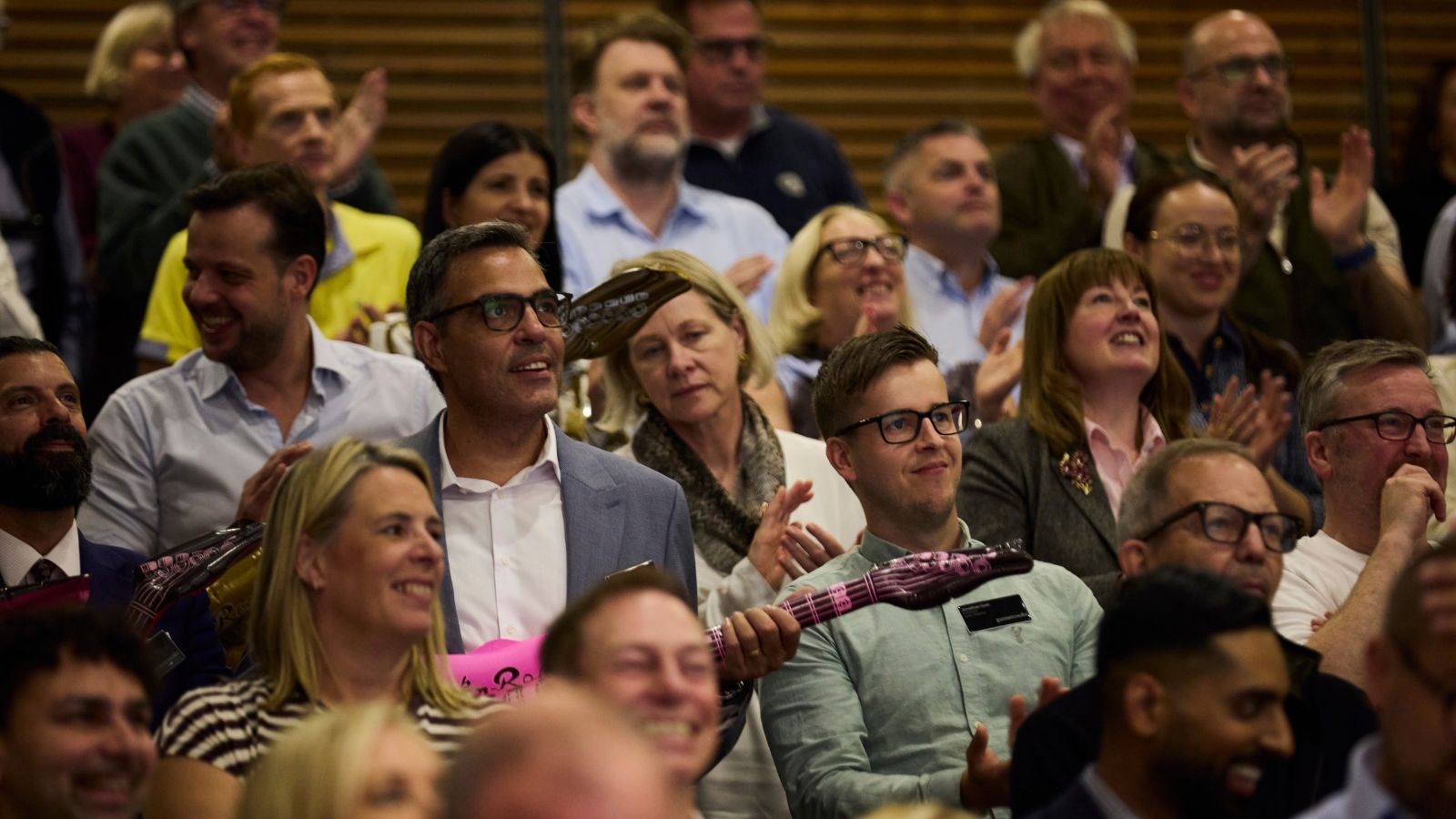
On 29 October 2026, gunnercooke supported the inaugural Muslim Charity Law Conference (MCLC) at Tower Hamlets Town Hall in London, the UK’s first legal conference dedicated to Muslim-led charities.
MCLC was founded by gunnercooke‘sKhaled Moyeed, Dispute Resolution and Charities Partner, and Arif Ahmed, Associate Charity Consultant. gunnercooke lawyers led the core sessions on the day, drawing on the firm’s work with Muslim-led charities across the UK.
Khaled and Sude Ozkan, Associate at gunnercooke, explored resolving internal charity disputes through alternative dispute resolution; Thalis Vlachos, Employment Law Partner, and Sarina Mahal, Employment Law Senior Associate, covered key employment law challenges; and Real Estate Partners Maxine Hodson and Numan Sultan discussed property issues affecting charities.
Key takeaways
Good governance depends on substance rather than labels, and preparing early is far cheaper than managing a crisis. How a role works in practice, not what it is called, decides whether someone is a volunteer, worker or employee, so volunteering must stay genuinely voluntary and any redundancy needs early, fair consultation. Charities also need to know where their money comes from, since clear donation and banking records, and a documented source for large gifts, help property purchases go through smoothly.
When disputes arise, resolving them early and proportionately matters internal disagreements may need Charity Commission authorisation, and negotiation, mediation or arbitration can protect charitable funds from costly litigation. The same thinking applies to risk, which should be spotted, rated, checked against the charity’s risk appetite, acted on and reviewed, whether it comes from external speakers or online content. When the media comes calling, responses should rest on evidence and respect the difference between an allegation and an established fact, ideally backed by media training done well before any crisis. Safeguarding must work in practice, with a named lead, prompt referrals and trustees who follow every concern through to completion, and trustees should never forget to ask who is governing the trustee.
What trustees should do now
With that in mind, trustees should start by checking that agreements with volunteers, casual workers and consultants reflect how those roles really work, and by keeping clear donation and banking records that document the source of any significant gift. They should agree a process for handling disagreements before they arise, take advice early, and map the charity’s risks, including events, speakers and online content. Finally, they should name a safeguarding lead and deputy, review safeguarding at every board meeting, and prepare a media response plan, making sure anyone who speaks for the charity is properly trained.
Khaled Moyeed, Partner, gunnercooke, added: “Muslim-led charities do vital work in our communities, and they deserve specialist support to match. The response from over 200 delegates shows how much this forum was needed, and we are already looking ahead to 2027.”
If your charity would like advice on governance, disputes, employment, property or compliance, please contact Khaled Moyeed.
To receive all the latest insights from gunnercooke to your inbox, sign up below