- People
- Expertise
Our expertise
We are a team of more than 600 professionals, with the depth of experience which makes us genuine experts in our fields. Together, gunnercooke’s people have strength across just about every corporate discipline and sector. We provide legal, commercial and strategic advice that delivers real value to the clients we work with, which span from multinational enterprises through to not-for-profit organisations. Our breadth of expertise also covers specialist and emerging disciplines charity, crypto, sports and competition law.
Search by practice areaDispute ResolutionDispute Resolution OverviewMeet the Dispute Resolution TeamIntellectual Property DisputesFinancial Services & FinTech OverviewProceeds of CrimeEmployment TribunalTax InvestigationProperty Dispute ResolutionInsolvency DisputesMediationCivil Fraud & Asset TracingHealth & SafetyBusiness Crime & InvestigationsLitigation & ArbitrationInternational Arbitration - International
International Offices
The gunnercooke group has 16 main global offices across England, Scotland, the US, Germany and Austria, with further plans for growth in the coming years. These offices enhance the existing in-house capability of our dedicated international teams and dual-qualified experts that cover Spain, France, Italy, Portugal, Brazil, China, India, Poland and Hungary. Our team have clients across 126 jurisdictions, speak 46 languages and are dual-qualified in 22 jurisdictions. Our expertise means we can offer large teams to carry out complex cross-border matters for major international clients.
- Our story
Our story
gunnercooke is a top commercial law firm. We comprise a rapidly growing number of experts spanning legal and other disciplines. Clients benefit from flexible options on fees to suit their needs, access to a wider network of senior experts throughout the relationship, and legal advice which is complemented by an understanding of the commercial aspects of running a business.
- Reading Room
- News & Insights
Part 2: Force majeure, frustration of contract and insurance
Introduction
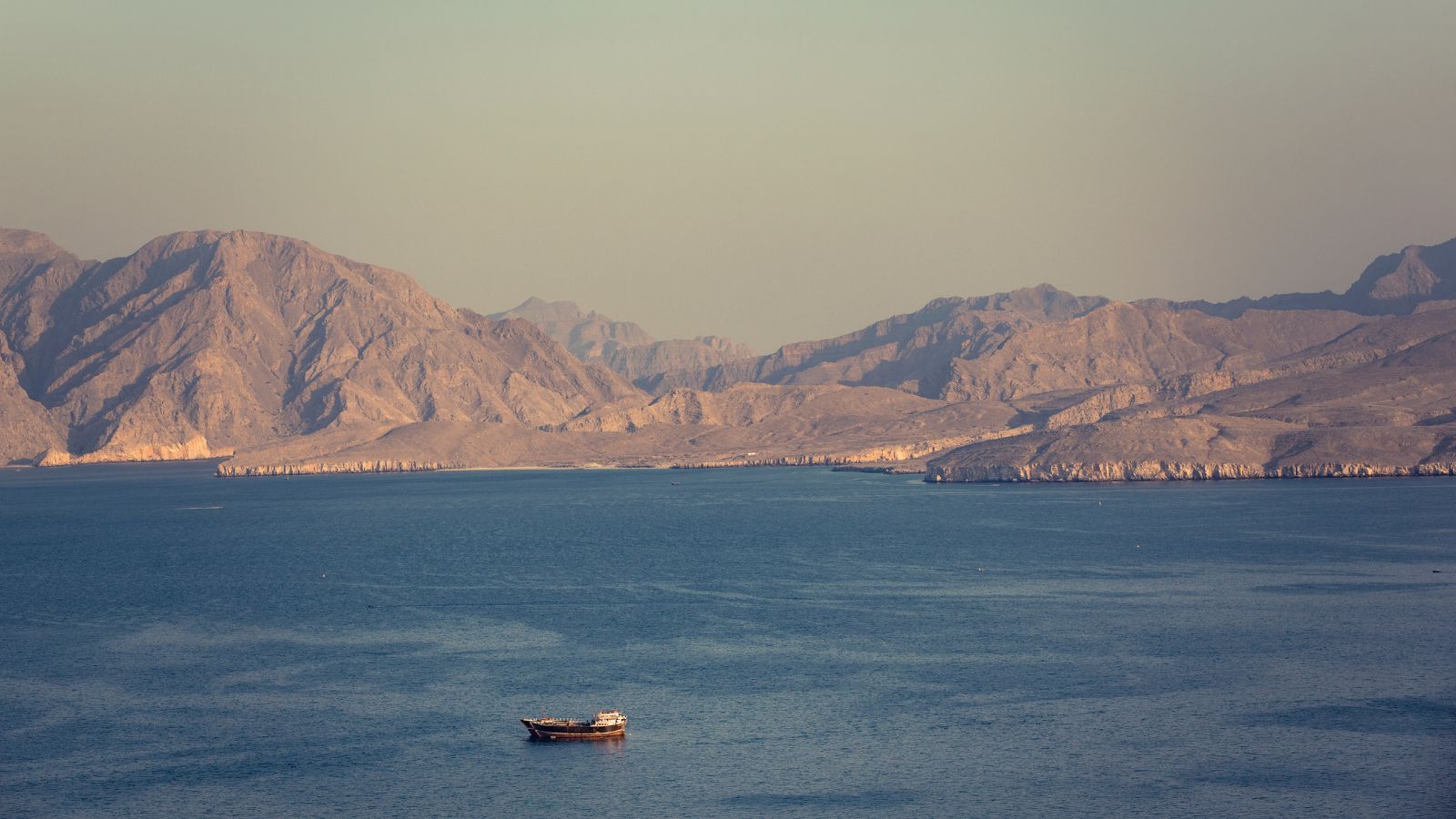
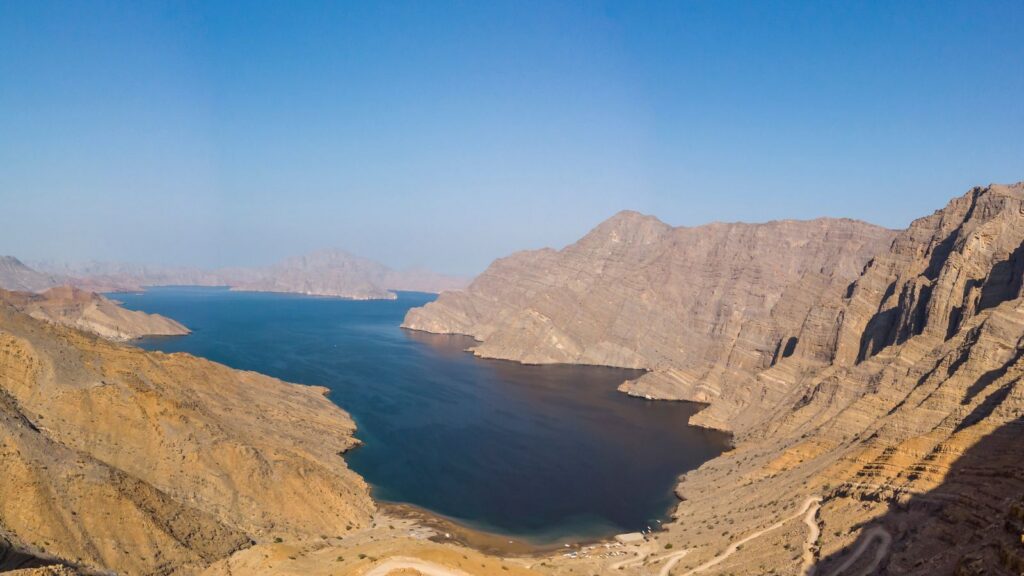
The Strait of Hormuz has experienced significant geopolitical and economic disruption since 28 February 2026, following joint military strikes by the United States and Israel on Iran. The disruption affected approximately 20% of the world’s daily oil supply and substantial volumes of liquefied natural gas, prompting major shipping firms to suspend operations in the area. The US and Iran have since agreed to a conditional two-week ceasefire, causing oil prices to fall sharply, though they remain significantly elevated compared to pre-conflict levels.
This is the second of two articles examining the legal implications of the Hormuz crisis under English law. Part 1 addressed war risk clauses, safe port obligations, and deviation. This article considers force majeure, frustration of contract, and the disruption to maritime insurance markets.
Scale of the disruption
The crisis has been described as the largest disruption to global energy supply since the 1970s. Brent crude surpassed US$100 per barrel on 8 March 2026 for the first time in four years, reaching a peak of US$126 per barrel. Qatar Energy declared force majeure on gas contracts on 4 March 2026, and Kuwait Petroleum Corporation followed suit on 7 March 2026. These commodity-level declarations foreshadow a wave of contractual disputes likely to arise across the shipping sector.
Force majeure: contractual relief, not automatic escape
Force majeure is a creature of contract, not of English common law. English law does not recognise any general doctrine of force majeure that applies automatically; it must be expressly incorporated into the contract.
Where a force majeure clause exists, the English law analysis turns on three key questions: first, whether the triggering event falls within the clause’s definition; second, whether performance has been rendered impossible or radically different, mere increased cost or inconvenience will not suffice; and third, whether the party relying on the clause took all reasonable steps to mitigate the consequences.
The effective closure of the Strait of Hormuz is likely to constitute a qualifying event under most broadly drafted clauses referencing hostilities, war, acts of government, or events beyond reasonable control. However, where a vessel has been diverted via the Cape of Good Hope rather than being entirely prevented from sailing, a counterparty may argue that performance remained possible. The test is whether the specific contractual obligation has been affected,not merely whether the broader commercial picture has deteriorated.
Parties should also note that force majeure clauses are construed strictly. Any ambiguity in drafting is likely to be resolved against the party invoking the clause.
Frustration of contract: A high threshold
Where no force majeure clause exists, a party may seek relief under the common law doctrine of frustration. A contract is frustrated where a supervening event (not the fault of either party and not contemplated by the contract) renders performance impossible, illegal, or radically different from what was agreed. Financial consequences are governed by the Law Reform (Frustrated Contracts) Act 1943.
Frustration is historically difficult to establish in the shipping context. English courts apply a high threshold: the doctrine will not apply merely because performance has become more expensive or commercially unattractive. Delay alone rarely frustrates a contract unless it is of sufficient duration, and given that the current hostilities could last days, weeks, or months, parties are generally advised to “wait and see” before treating a contract as discharged. Where a contract already contains a specific war risks clause, frustration is unlikely to apply, as the parties are held to their agreed contractual allocation of risk.
Invoking frustration prematurely (i.e. before the duration and impact of the disruption becomes clear) risks a wrongful repudiation, which could expose the invoking party to a claim in damages.
Insurance: A market under pressure
The Hormuz crisis has triggered immediate volatility in the insurance market. Several insurers have issued cancellation notices intending to reissue cover at substantially higher war risk rates, while others have declined to write these risks at all. Before the strikes, war risk premiums for Strait transits stood at around 0.125% of insured vessel value; by 9 March, rates had increased by four to six times within a single week.
War risk clauses typically permit insurers to cancel or amend coverage with minimum notice. The mechanism operates through cancellation and reinstatement: existing coverage is cancelled, and a new policy is automatically reinstated with geographical exclusions or revised risk parameters. Other elements of a vessel’s insurance programme (Hull and Machinery, Protection and Indemnity, and cargo insurance) generally remain unaffected, as war risk is an extraordinary additional layer.
Owners must now demonstrate “reasonable endeavours” to obtain competitive insurance terms. They should collate robust evidence of their efforts to secure cover at reasonable rates to justify the recovery of increased premiums from charterers. For vessels already in the region, “Blocking and Trapping” cover has become particularly relevant; operators should urgently confirm whether their policies include this cover and whether the triggering conditions have been met.
Practical steps to take
Parties should take the following steps without delay:
- Review all contracts for force majeure provisions, including what events are covered, what notice obligations apply, and whether triggering conditions have been met.
- Do not invoke frustration prematurely. Seek legal advice before purporting to treat any contract as discharged.
- Engage war risk underwriters immediately. Confirm coverage status, review any cancellation or reinstatement notices, and assess Blocking and Trapping cover.
- Maintain detailed contemporaneous records of decisions, risk assessments, and communications, as these may be critical in subsequent disputes.
Conclusion
The ceasefire, even if it holds, does not extinguish the legal disputes that have crystallised during the preceding weeks of disruption, nor does it remove the risk of their recurrence. Force majeure claims, frustrated contract arguments, and insurance disputes will occupy arbitration tribunals and courts for years to come. Until normal transit conditions are restored, operators, charterers, and insurers must navigate not only operational disruption but also a rapidly evolving legal landscape governing maritime risk allocation.
If you need specific, expert legal advice, you can contact Andre Yeghiazarian here.
To receive all the latest insights from gunnercooke to your inbox, sign up below